
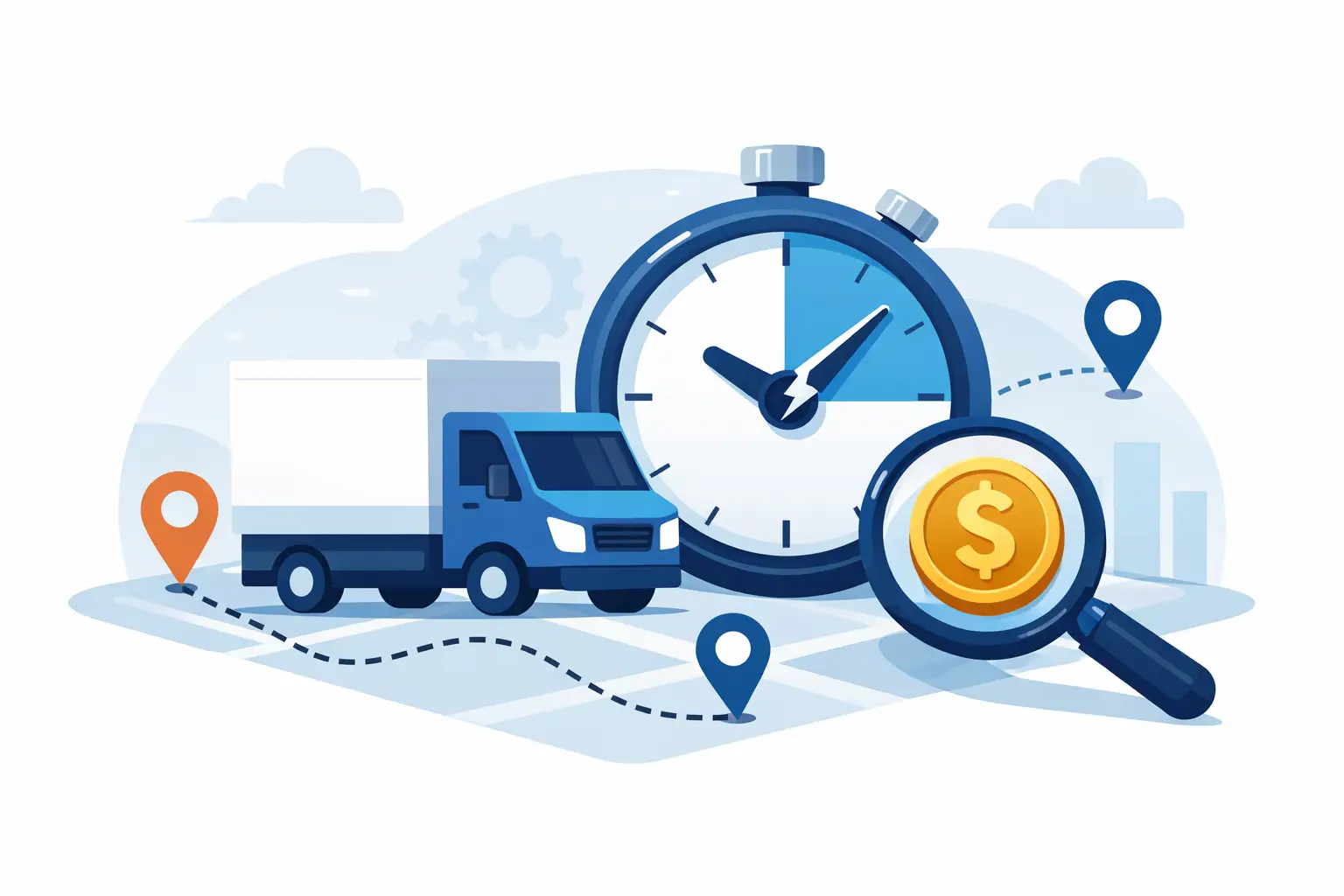
You get to checkout, see a delivery option labelled tracked 48 hour, and the first question is obvious – how much is 48 hour tracked delivery? The short answer is that it usually sits in the low single digits for UK orders, but the real answer depends on parcel size, weight, seller pricing, and whether the retailer absorbs the cost as part of the offer.
For most buyers, the headline price matters less than the overall deal. A cheap item with inflated postage is not cheap. Equally, a higher product price with free tracked shipping can work out better. If you buy online regularly, especially from specialist UK retailers, it pays to know what you are actually being charged for.
How much is 48 hour tracked delivery in the UK?
In the UK, 48 hour tracked delivery is commonly priced anywhere from around £2.50 to £5.50 for standard consumer parcels. Some retailers charge more if the parcel is heavier, awkwardly packed, or sent through a premium courier rather than a standard postal service. Others keep it flat-rate because it is easier for customers and better for conversion.
That range is wide enough to be annoying, but there is a reason for it. Not every tracked 48 service is the same. One seller may be posting a small packet from a UK warehouse with competitive business rates. Another may be sending a larger parcel with more expensive packaging, insurance, and handling built in.
If the checkout price lands somewhere around £3.99, that is broadly in line with what many UK buyers expect. If it jumps past £6 for a small, lightweight order, it is worth checking whether you are paying for convenience, inflated margins, or a courier upgrade you do not need.
What affects the cost of 48 hour tracked delivery?
The biggest factor is parcel size and weight. Small parcels cost less to move than larger ones. If an order fits through standard size bands and stays light, retailers usually get better fulfilment rates and can pass some of that on. Once the parcel becomes bulkier, the shipping cost rises quickly.
The second factor is who is carrying it. Royal Mail tracked services are often priced differently from courier networks. Some businesses negotiate strong account rates because they send volume every day. Smaller sellers may not have that leverage, so their shipping charges can look less competitive.
Packaging also plays a part. A padded mailer and label cost less than a reinforced box with internal protection. On low-ticket products, even basic packing materials can noticeably affect margin, which is why some retailers are tighter on delivery charges than customers expect.
Then there is fulfilment overhead. Picking, packing, printing labels, and handing the parcel into the delivery network all cost time and money. When a business says delivery is £4.99, that price is rarely just the stamp. It often includes the labour behind getting the order out properly and on time.
Why some shops offer it free
Free tracked shipping is not magic. It is usually funded in one of three ways. The cost is built into product pricing, covered above a minimum spend, or used as a deliberate promotion to increase conversions.
For buyers, free tracked delivery is often the better deal if the product price is still fair. It removes friction at checkout and gives clarity. That matters in categories where customers want speed, discretion, and confidence that the parcel is actually moving through the system.
A specialist retailer with UK-held stock can often make this work more easily than a broad marketplace seller juggling thin margins across thousands of items. That is one reason domestic niche sellers tend to push tracked delivery hard – it supports trust as much as logistics.
Cheap delivery vs good delivery
The lowest shipping price is not always the best option. Untracked or basic services can save a pound or two, but if the parcel is delayed or there is no proper scan trail, that saving disappears fast. Most buyers would rather pay a small extra amount and know where the order is.
Tracked 48 sits in a useful middle ground. It is usually cheaper than next-day services but still gives visibility and a decent timeframe. For a lot of UK ecommerce orders, that is the sweet spot. Fast enough to feel efficient, not so expensive that it puts people off buying.
This is especially true for specialist products. Customers do not want vague dispatch promises or a parcel that vanishes into the system with no update. They want a practical service level with proper tracking. That is what 48 hour tracked is really selling.
How much is 48 hour tracked delivery if the order value is low?
This is where shipping fees feel most painful. If you are buying something worth £15 and the tracked delivery is £4.50, that looks steep because postage is a big chunk of the basket total. The same fee on a £60 order feels easier to accept.
Retailers know this, which is why many set free delivery thresholds. It nudges customers to add a little more to the basket and makes the order feel better value. From the buyer side, that can be useful if you were already planning a repeat purchase soon. If you are adding products you do not need just to dodge postage, it is not really a saving.
So the better question is not just how much is 48 hour tracked delivery, but whether the total order makes sense after shipping is included. That is the number that matters.
When a shipping price is a red flag
A very low delivery fee can be genuine, but sometimes it tells you less than you think. If the service is labelled tracked yet gives sparse updates, slow dispatch, or vague timing, the low price may be covering a weaker fulfilment setup. On the other side, very high shipping on a small order can be a sign the business is making margin through postage.
Look at the full picture. Is the stock held in the UK? Is dispatch clearly stated? Are tracking details actually provided? Does the delivery promise look realistic? Reliable sellers tend to be plain about all of this. They do not hide behind fuzzy wording.
For informed buyers, transparency is worth paying for. A fair shipping fee with proper tracking is better than a suspicious bargain with no clarity.
48 hour tracked delivery and UK specialist retailers
In niche categories, delivery is part of the trust equation. Buyers want the order processed quickly, labelled clearly, and sent from within the UK rather than bouncing through uncertain channels. That is why tracked domestic fulfilment is such a strong selling point.
For example, a specialist seller like MK677 Direct UK is not trying to be everything to everyone. The appeal is a tighter offer – UK stock, clear pricing, straightforward fulfilment, and tracked delivery that does what it says. For the customer, that removes one of the biggest irritations in buying from niche online retailers: not knowing when, or if, the parcel will arrive.
That context matters when you judge shipping cost. A retailer charging a sensible amount for reliable UK dispatch is often the safer bet than a vague low-cost seller offering less certainty.
Is 48 hour tracked delivery actually 48 hours?
Usually, but not always. The service name refers to the target delivery speed once the parcel is in the network, not always the moment you place the order. Cut-off times, weekends, bank holidays, and seasonal backlog can all affect the real arrival date.
If you order late on a Friday, you may not see movement until Monday. If the seller dispatches same day before a stated cut-off, the service is more likely to match expectations. That is why dispatch policy matters as much as the shipping label itself.
A good retailer makes this clear. No inflated promises. No pretending every order will land in two days regardless of timing. Just a straight explanation of when parcels leave and how the tracked service normally performs.
So what should you expect to pay?
For most UK orders, expect 48 hour tracked delivery to cost roughly £2.50 to £5.50, with £3.99 to £4.99 being a common checkout figure. Below that can be excellent value. Above that may still be fair if the parcel is larger, heavier, or includes stronger packaging and handling.
But price alone is not the whole story. The better question is whether the delivery charge matches the overall buying experience. If the stock is in the UK, dispatch is prompt, tracking is real, and the total order price still looks fair, then the shipping fee is doing its job.
When you are comparing sellers, do not fixate on the postage line in isolation. Look at what you are getting for it. A tracked parcel that arrives on time, from a retailer that knows its category and keeps things clear, is usually worth a little more than the cheapest option on the page.
If you want fewer surprises at checkout, the best move is simple: judge the full order, not just the label attached to delivery.


I’ve been playing here for a month now and it’s been a blast. The promotions are generous and the community is great. Love everything about brniowin.
The gaming experience is top notch. I had a few questions and the customer support answered me right away. Really impressive service! phonyx